
Uncategorized

CLIENT STORY: Communities in Schools of Michigan: Nurturing a Brighter Future Through Compassion and Community

CLIENT STORY: Communities in Schools of Michigan: Nurturing a Brighter Future Through Compassion and Community

When it comes to raising strong, resilient children, no one does it alone. It takes a village—mothers, mentors, neighbors, advocates, and allies—each doing their part to make sure every child feels safe, supported, and seen. That’s exactly what Communities In Schools (CIS) of Michigan embodies. Under the care-filled leadership of CEO Mallory DePrekel, CIS wraps its arms around students and families across the state, making sure no child falls through the cracks.

This mission is deeply maternal at its core. It’s not just about academic success—it’s about ensuring children have their most basic needs met: food, safety, love, and a sense of belonging. That maternal energy is also what drives community champions like State Senator Sarah Anthony and corporate partners like Jackson. Together, they nurture students not only through policy or funding, but with the intention and tenderness of caregivers determined to give every child a better future.

Senator Anthony’s advocacy is rooted in heart. Her words echo the love of a mother who refuses to let any child be left behind: “Children are really where my heart lies.” She’s not just showing up in the legislative chambers—she’s showing up emotionally and relationally, understanding the invisible weight many students carry.

Meanwhile, Jackson’s commitment goes beyond corporate giving. Their backpack drives—thousands strong—are an act of care, a gesture that says to each child, *You matter.* Their employees don’t just pack supplies; they pack encouragement and dignity into every bag, giving children the tools they need to walk into the school year with confidence.

CIS doesn’t stop at backpacks or supplies. They appear when glasses are missing, when stomachs are empty, and when housing feels unstable. Their approach is one of maternal stewardship—quietly observing, listening closely, and responding with action born of love. Like a mother who anticipates needs before they’re voiced, CIS asks, *What do you need to thrive?* and then does whatever it takes to deliver.

The disparities in Michigan schools—peeling walls in one district, polished floors in another—are jarring. But instead of looking away, CIS and its champions draw closer. Their work is not about charity. It’s about justice, equity, and care—the kind of radical, relentless care mothers are known for.

Every child deserves a champion, someone who won’t let them be forgotten. Through Communities In Schools, Senator Anthony, and Jackson, Michigan’s youth are being reminded daily that they are cherished, not overlooked. It’s a legacy of love that will shape generations to come.

But the work is not done yet. There’s always another child to nurture, another need to meet, another heart to uplift. Together, we all have a role to play in this great act of community mothering—one child, one act of love at a time.
Celebrating Success: Big Brothers Big Sisters Wins Most Outstanding Video of the Year

Celebrating Success: Big Brothers Big Sisters Wins Most Outstanding Video of the Year

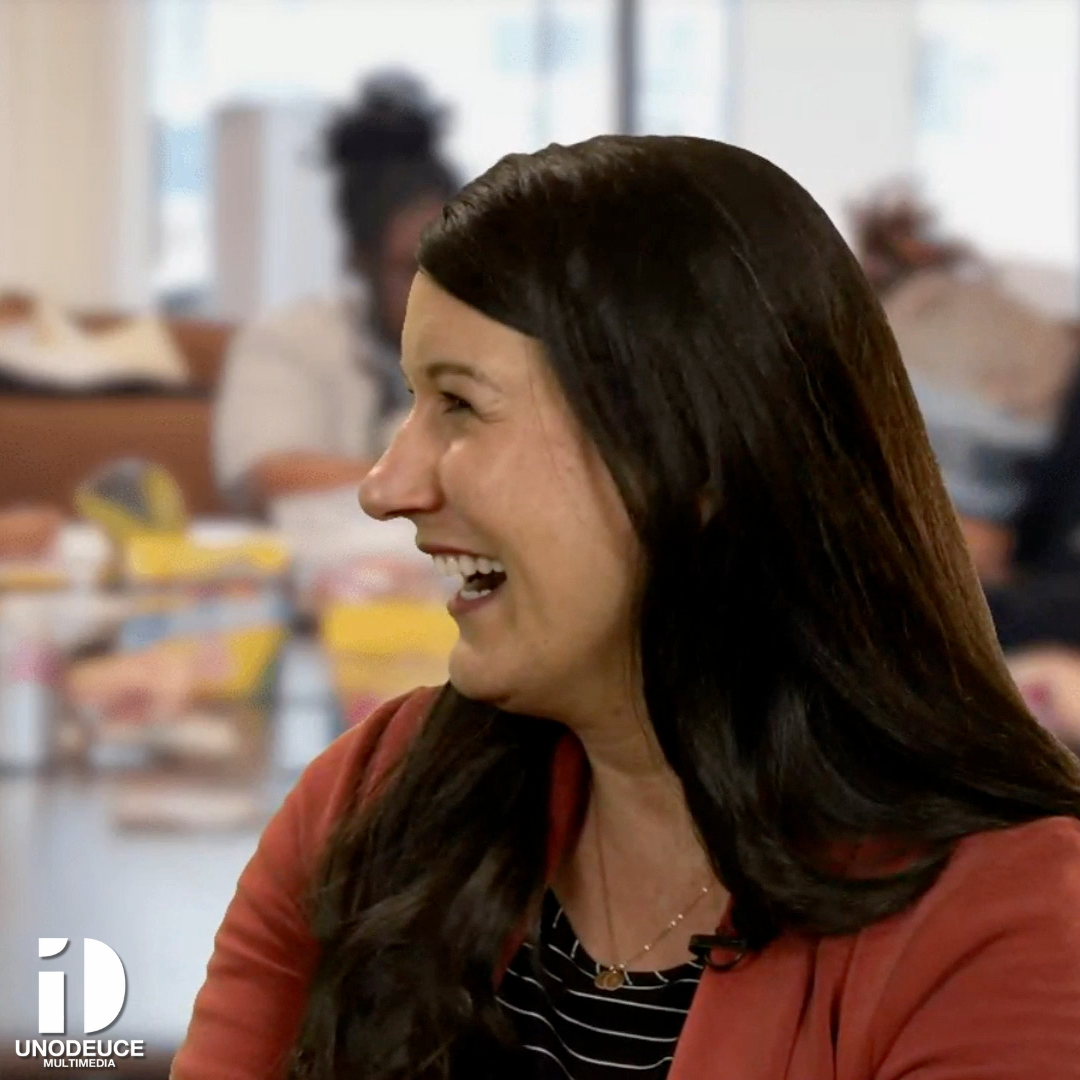
Big Brothers Big Sisters recently found itself in the spotlight for a powerful reason—winning *Most Outstanding Video of the Year* at the Deucey Awards. This exciting milestone highlights more than just a compelling video; it celebrates the heart of a community-driven mission and the people behind it. Executive Director **Megyn Forrest** and her team brought their story to life with authenticity, passion, and purpose—and UnoDeuce Multimedia was proud to help bring that story to the screen.

For Megyn, this wasn’t just a typical recognition. “It’s so exciting,” she said. “My team, my board—we’re all thrilled, and we’ve been shouting it from the rooftops.” That enthusiasm comes from knowing that this moment honors years of hard work and the deep relationships built through mentorship.

The video itself showcased not only the incredible impact of the “Bigs” and “Littles” but also lifted up the staff and community who make these connections possible. “What was really special is we were not only celebrating and highlighting our program and mentorship,” Megyn shared, “but also our team and staff—people who fully believe in our mission.”

This marked Big Brothers Big Sisters’ first collaboration with UnoDeuce, and the process was one of openness and trust. Megyn and her team invited the video crew to everything—events, interviews, daily interactions—creating an environment where authentic moments could unfold naturally. “The process was wonderful,” she said. “We loved working with you and your team.”

And the results speak for themselves. The video became a central piece of the organization’s *Big Breakfast*—their largest annual fundraiser—helping the community feel the impact of mentorship firsthand. “That’s where it made the most impact,” Megyn explained. “Hearing directly from the Bigs, Littles, and families—it brings the mission to life.”

When the nomination came, it was a surprise—but a welcome one. Megyn and her team quickly went to work rallying community support and using the spotlight to lift up not just their agency, but fellow nominees as well. “We saw it as an opportunity to celebrate all of us.”

Winning the Deucey Award was the cherry on top of an already meaningful experience. While the trophy is still on its way, the pride and excitement are already felt throughout the organization. And this win? It’s just the beginning.

Looking ahead, Big Brothers Big Sisters is more energized than ever. Megyn encourages the community to keep following their journey and get involved—whether by becoming a mentor, donating, attending events, or simply sharing the story.

Their message is clear: storytelling has power. And when done with heart, it can inspire an entire community to rally behind a mission. Here’s to big wins, big hearts, and the incredible work still to come.

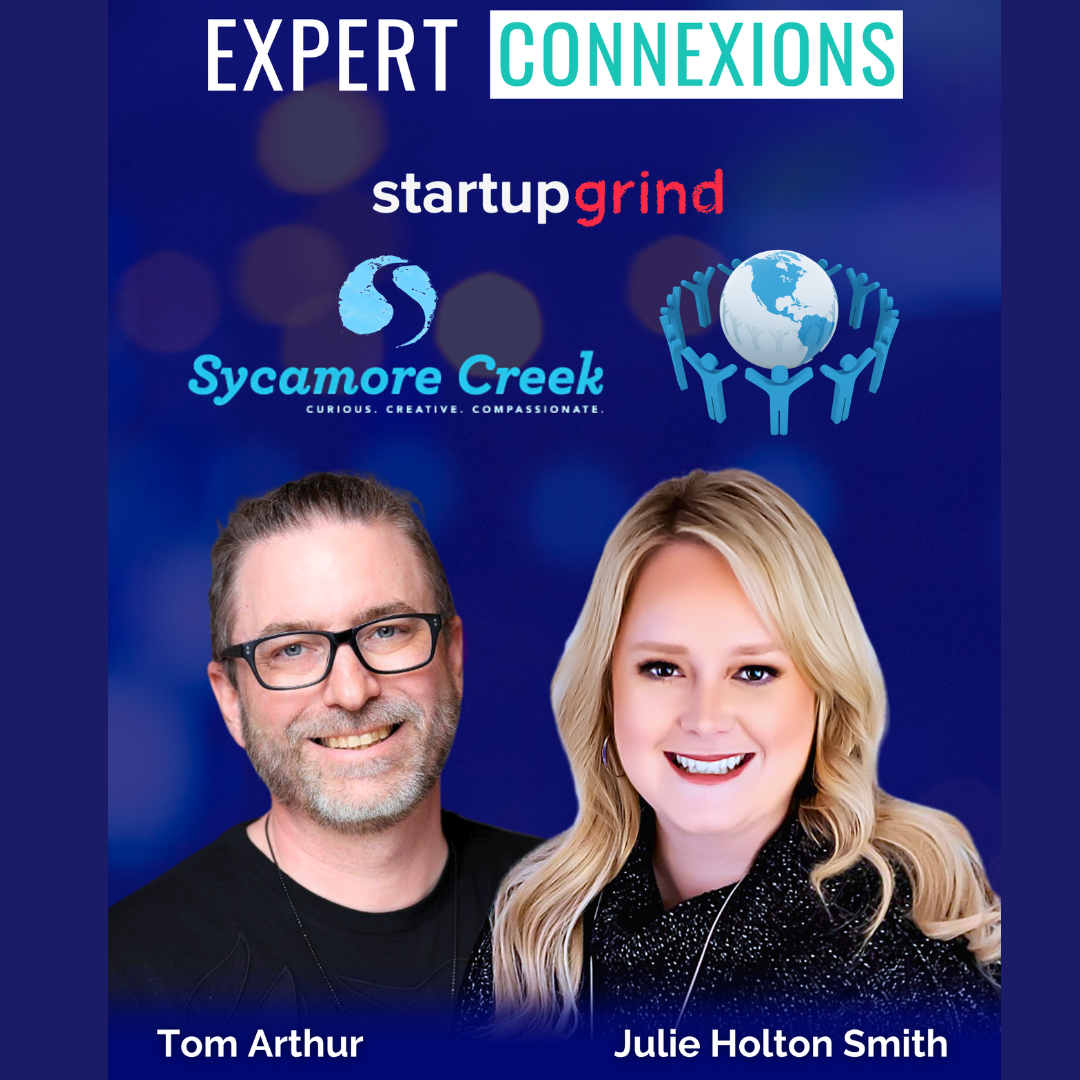
EXPERT CONNEXIONS: Startups and Community: Purpose-Driven Leadership

EXPERT CONNEXIONS: Startups and Community: Purpose-Driven Leadership

What if the secret to breakthrough innovation lies in embracing failure as your greatest teacher?

In this episode from Startup Grind Conference 2025, host Julie Holton Smith sits down with Pastor Tom Arthur of Sycamore Creek Church, a leader who’s revolutionizing how we think about community building, risk-taking, and sustainable growth.

From launching church campuses to running food business incubators, Tom shares unconventional wisdom that will transform how you approach your next venture.

What You’ll Discover:
✅ Why “failing fast” isn’t just for tech startups, it’s essential for any growing organization
✅ The power of cross-industry networking
✅ How to apply billion-dollar acquisition strategies to potential partnerships
✅ Why global networking matters even in your local community initiatives

Tom’s journey from divinity school to becoming a startup ecosystem co-founder proves that innovation knows no industry boundaries. His insights on building platforms for others to succeed will give you fresh perspectives on leadership, community engagement, and sustainable business growth.

About Our Host:
Julie Holton Smith is a 3x Emmy Award winner, marketing strategist, and an entrepreneur. As the founder of mConnexions and host of Expert Connexions, she brings insightful conversations with purpose-driven leaders to help you grow and lead with intention.

About Our Guest:
Tom Arthur is a Pastor at Sycamore Creek Church. He specializes in church adoptions, community incubation, and bridging the gap between faith-based initiatives and startup innovation. His work includes launching multiple church campuses and operating food business incubators.
📢 Don’t miss our special mini-series featuring leaders from the Startup Grind Conference 2025!

Special thanks to Foster Swift, LEAP & the Lansing Regional SmartZone for supporting this series.

The Power of Visual Storytelling for Nonprofits: Why Showing Beats Telling

The Power of Visual Storytelling for Nonprofits: Why Showing Beats Telling

In an era where funding challenges and post-pandemic recovery continue to test nonprofit organizations, one medium has emerged as particularly powerful for conveying mission and impact: video storytelling. Drawing from insights shared in a recent presentation to nonprofit leaders, the key to effective organizational communication lies not just in having a compelling story, but in showing that story through authentic visual narratives.

## The Funding Reality and the Story Solution

Today’s nonprofits face an increasingly competitive landscape for donor attention and foundation support. Federal funding cuts, combined with lingering effects from the pandemic, have made individual donors, corporate sponsors, and private foundations more crucial than ever. Organizations that have survived these challenges have done so because their stories are strong and their core values remain clear. Video provides the perfect medium to demonstrate this resilience and communicate these values effectively.

As one landscape services professional from MSU recently noted, “We can throw stats, we can throw pictures, but what we can’t do as an organization is really tell our story through video.” This shift in perspective—from trying to prove worth to having others seek help in demonstrating value—signals a fundamental change in how organizations approach their communications strategy.

## Collaboration as a Storytelling Strategy

One of the most effective approaches to nonprofit video storytelling involves showcasing collaborative efforts. When organizations partner with each other, they create opportunities to reach multiple audiences while demonstrating community impact. For example, Catholic Charities’ collaboration with the Greater Lansing Food Bank during the pandemic created a powerful narrative that benefited both organizations while serving their shared community.

These collaborative stories work because they show real solutions to real problems. They demonstrate how organizations can leverage their unique strengths—one partner’s kitchen facilities, another’s food distribution network—to create something greater than the sum of their parts.

## Making Clients the Heroes

Perhaps the most important shift in nonprofit storytelling involves repositioning who serves as the story’s hero. Rather than making the organization the central character, effective video narratives position clients, volunteers, or community members as the heroes of their own transformation stories. The organization becomes the guide—like Yoda in Star Wars—providing tools and support while the individual takes center stage.

This approach humanizes the organization’s impact in a way that statistics cannot. When a Habitat for Humanity participant shares their journey from cramped living conditions to homeownership, complete with their children’s excited reactions, viewers see tangible change happening in real time. These stories resonate because they show people overcoming challenges with the organization’s support.

## Authentic Representation Matters

In today’s diverse communities, authentic representation in video storytelling isn’t just good practice—it’s essential for credibility. Organizations serve people who may not look like their staff, and this diversity should be reflected naturally in their visual narratives. Rather than viewing this as a checkbox exercise, successful nonprofits recognize that their authentic community connections are part of their story’s strength.

The most effective nonprofit videos capture real moments with real people, avoiding artificial recreations or stock footage that can undermine authenticity. Younger donors, in particular, can quickly identify inauthentic content, making genuine storytelling crucial for long-term sustainability.

## The Path Forward

The fundamental principle remains simple: show, don’t tell. In a visual medium, demonstration trumps description every time. Whether capturing spontaneous volunteer moments on social media or producing comprehensive mission videos for websites, the goal is always to let the story speak through the people who live it daily.

Nonprofits that master this approach don’t just communicate their impact—they create compelling reasons for continued support and community engagement.

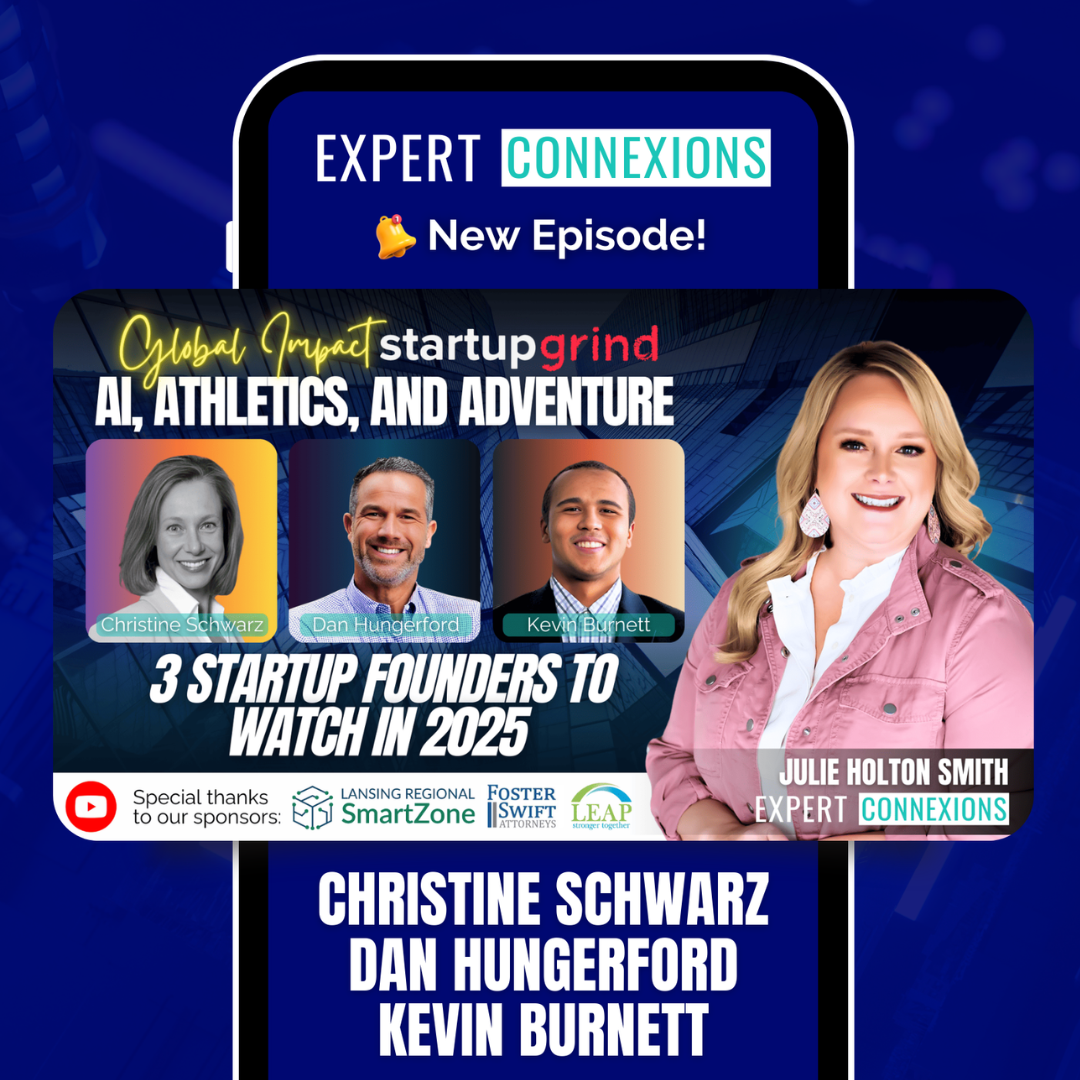
EXPERT CONNEXIONS: AI, Athletics, and Adventure: 3 Startup Founders to Watch in 2025

EXPERT CONNEXIONS: AI, Athletics, and Adventure: 3 Startup Founders to Watch in 2025

From redefining access in sports to battling social isolation with AI and revolutionizing how we carry gear in extreme environments — fresh from The Startup Grind Conference 2025 — this episode of Expert Connexions brings you three powerful stories of innovation born from purpose.

Meet the Founders:
🏀 Christine Schwarz — Co-Founder of Virtual Round Ballers
Christine is breaking barriers in sports and gaming as the creator of Virtual Round Ballers, the first VR experience designed to bring realistic, one-on-one basketball to players of all abilities. Her mission? Make athletics more inclusive, immersive, and empowering. As a tech-driven entrepreneur and accessibility advocate, Christine is carving out space for players who’ve long been left out of the game.
www.virtualroundballers.com

💙 Dan Hungerford — Founder of EverFriends.ai
Dan is the visionary behind EverFriends.ai, an app that uses digital companions to help those who combat loneliness and early cognitive decline. With a background in tech and a passion for social connection, Dan is reimagining how AI can offer empathy, comfort, and companionship — especially when real people aren’t available. His work is deeply human at its core.
www.everfriends.ai

🗺️ Kevin Burnett — Founder of Trail Eagle Packs
Kevin is the founder of Trail Eagle Packs, an outdoor gear startup building next-generation backpacks for serious hikers and professionals. Focused on real-world use, rapid access, and rugged durability, Kevin’s innovation is born from experience and built for people who need their gear to work, no matter the conditions. He’s blending engineering, design, and purpose to elevate the outdoor experience.
www.traileaglepacks.com

About Our Host:
Julie Holton Smith is the founder of mConnexions marketing agency and hosts Expert Connexions, a show that features industry leaders, entrepreneurs, and changemakers who are redefining success. Julie uses her platform to share real stories and insights for business leaders, creatives, and dreamers alike. She’s also a strategist, speaker, and advocate for women in leadership and business innovation.

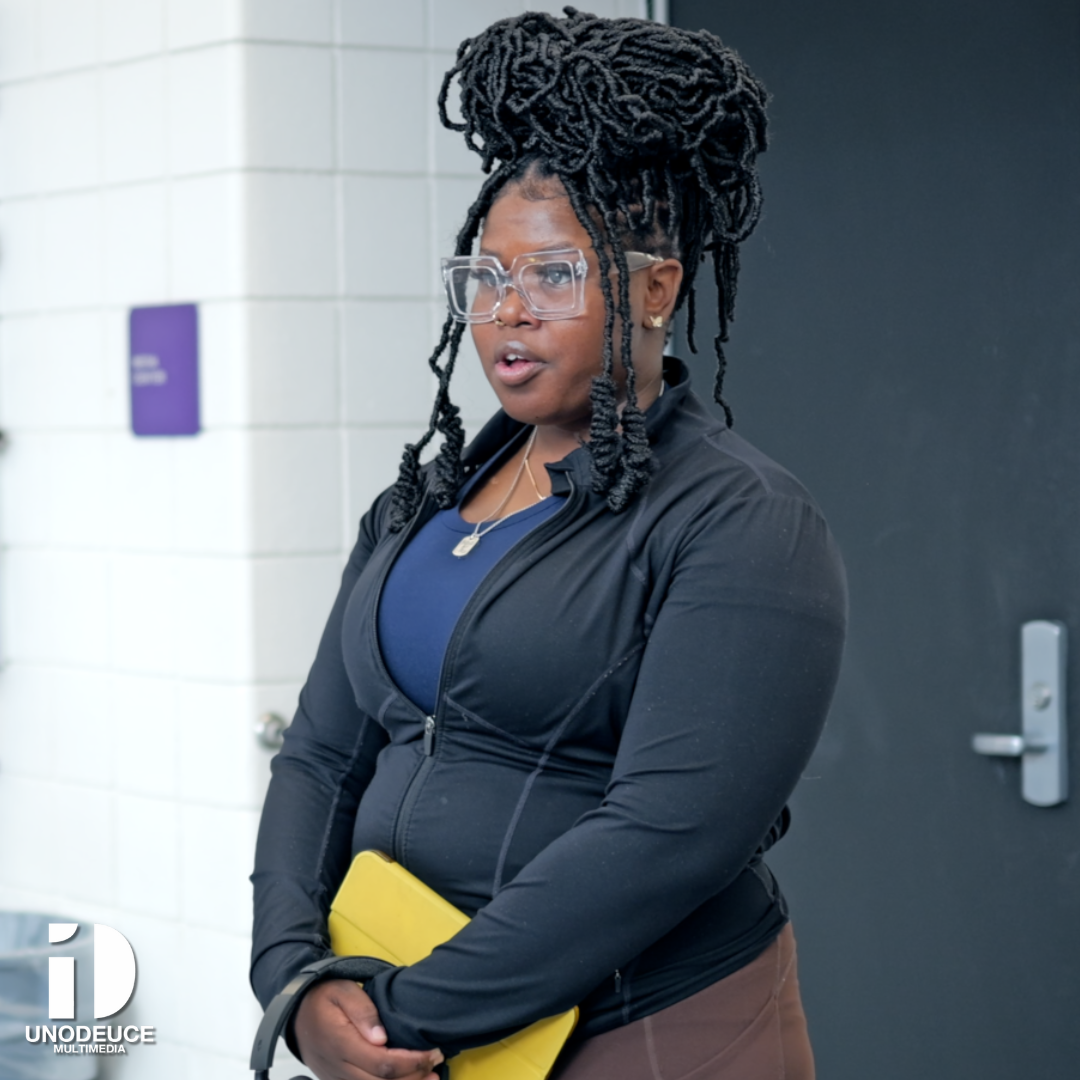
CLIENT STORY: Communities In Schools of Michigan – Celebrating Jada Reynolds: Student of the Year

CLIENT STORY: Communities In Schools of Michigan – Celebrating Jada Reynolds: Student of the Year


At University High School, one student stands out not just for her achievements, but for the heart and spirit she brings to every part of her life. That student is Jada Reynolds, Communities In Schools of Michigan’s (CISM) 2025 Student of the Year. A leader, a friend, and a bright light in her school community, Jada proves that real impact comes from showing up, staying kind, and helping others do the same.

**More Than a Student**

Jada wears many hats—student, volleyball player, photographer, and friend. She balances her studies and sports with creative work, taking photos at her church. But what makes her extraordinary isn’t just how much she does—it’s how she makes people feel while doing it.

Her CIS mentor described her as having a “beautiful spirit”—a phrase that couldn’t be more accurate. Whether encouraging classmates, comforting a peer in distress, or motivating others to keep going through college stress, Jada radiates warmth and support.

**A Natural Leader**

Leadership isn’t about titles for Jada—it’s about action. When another student came into the CIS office in tears, Jada immediately stepped in. Her compassion turned a difficult moment into the beginning of a real friendship. That kind of presence—thoughtful, aware, and kind—is what makes her leadership so powerful.

Jada doesn’t wait to be asked for help. Her simple motto, “If you need help, I got you,” is something she lives every day.

**Finding Strength Through Support**

Jada credits her growth to those around her, especially her CIS mentor, Ms. Gabby, whose smile alone brings comfort. These small moments of connection remind her she’s not alone, and they fuel her to be that same source of light for others.

And even when things get tough—like racing toward college application deadlines—Jada stays grounded. She keeps her head up, encourages others to do the same, and doesn’t let the pressure shake her dreams.

**Big Dreams Ahead**

Jada’s goals are as bold as her spirit. She’s planning to finish high school strong, head to college, and eventually become a doctor. She’s especially interested in surgery—something fast-paced and challenging, just the way she likes it.

While she knows it won’t be easy, Jada is ready. Her drive, supported by her community, will continue to propel her forward.

**A Message for Us All**

Jada’s journey reminds us that small acts—like a smile, a few kind words, or lending a hand—make a big difference. Her story is proof that leadership is about how you treat others, especially during difficult times.

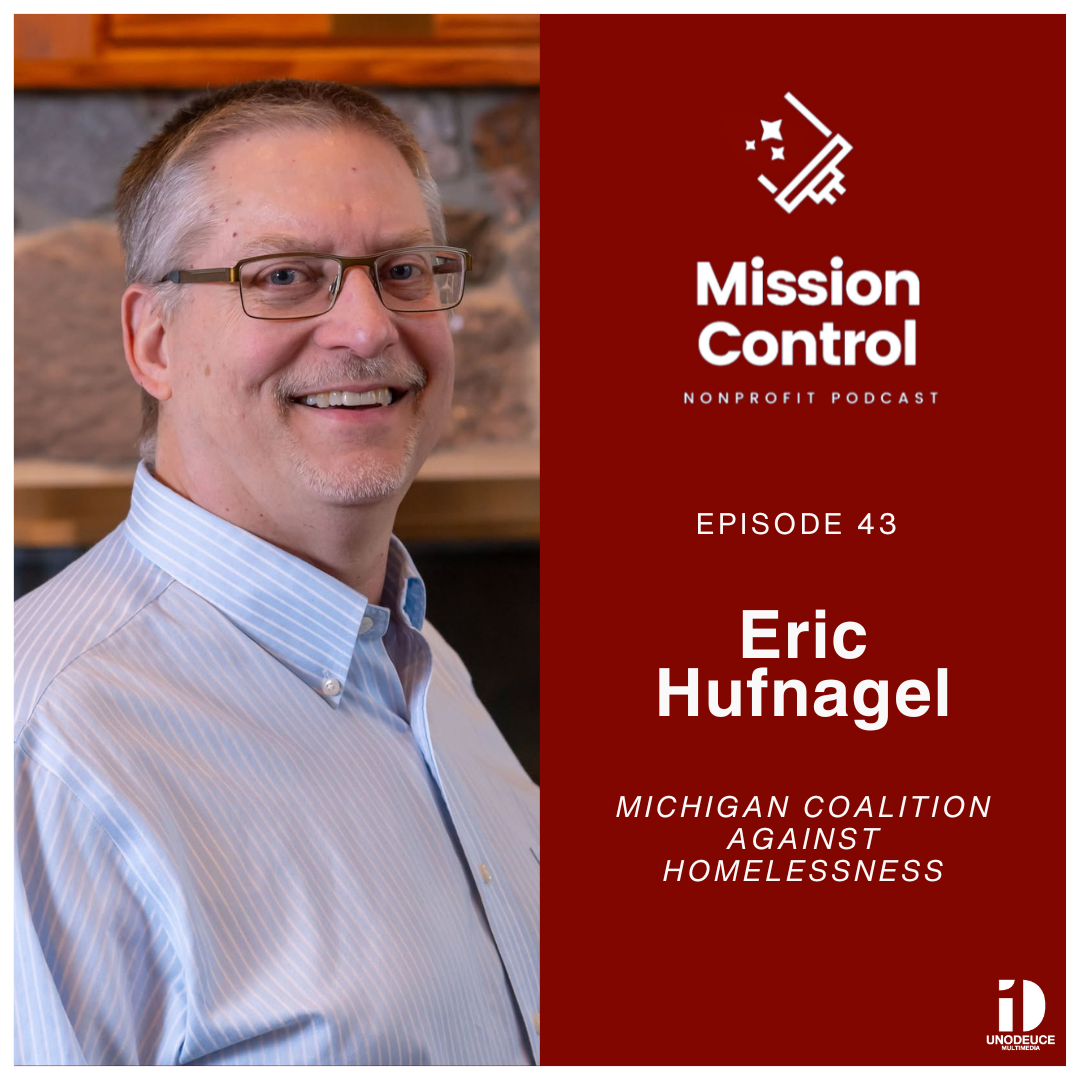
MISSION CONTROL: Eric Hufnagel: Fighting Homelessness Through Data

MISSION CONTROL: Eric Hufnagel: Fighting Homelessness Through Data

In the complex landscape of homelessness prevention, one Michigan leader is proving that systematic data collection can be a powerful weapon against a persistent social challenge. Eric Hufnagel, Executive Director of the Michigan Coalition Against Homelessness (MCAH), has spent decades working in nonprofit and public service roles. Still, his current position puts him at the center of a statewide effort that’s quietly revolutionizing how communities address homelessness.

MCAH operates as an umbrella organization connecting nearly 600 agencies across all 83 Michigan counties through a comprehensive data system called the Homeless Management Information System (HMIS). Unlike many states that rely on fragmented approaches, Michigan has achieved something remarkable: universal participation in a coordinated data collection effort that provides unprecedented insight into who experiences homelessness and what interventions work.

The numbers reveal sobering realities. While Black residents comprise only 12-13% of Michigan’s general population, they represent approximately 40% of the state’s homeless population—a disparity that has remained stubbornly consistent over time. This data not only highlights problems but also drives policy conversations and funding decisions at both the state and federal levels.

Hufnagel’s background brings a unique perspective to the role. Having worked in mental health services and currently serving as a City Commissioner in St. Johns, Michigan, he understands both the grassroots challenges and the policy mechanisms needed for systemic change. His attraction to MCAH stemmed from recognizing homelessness as the persistent issue that touched every organization he’d worked with, yet no single entity claimed responsibility for solving it comprehensively.

The coalition’s approach goes beyond simply collecting statistics. MCAH trains local agency staff, ensures data quality, and creates “data warehouses” that cross-reference information from different social service sectors. For example, comparing Medicaid usage among homeless individuals helps identify where additional healthcare support might prevent housing instability.

Federal mandates from the Department of Housing and Urban Development (HUD) require agencies receiving federal funding to participate in HMIS systems. Still, Michigan’s implementation stands out for its completeness and sophistication. This comprehensive approach enables MCAH to advocate effectively for policy changes, such as recent legislation prohibiting “source of income discrimination” that prevents landlords from rejecting tenants simply because their rent comes from government vouchers or non-traditional income sources.

However, Hufnagel acknowledges the ongoing challenge of translating data into action. While numbers can make compelling cases for policy changes, elected officials often gravitate toward visible, immediate solutions, such as emergency shelters, rather than addressing root causes through mental health services, job training, or affordable housing development.

The funding landscape reflects this complexity. Most resources originate from federal sources, particularly the U.S. Department of Housing and Urban Development (HUD), while state and local governments play supporting roles within their respective capacity constraints. MCAH’s advocacy work aims to ensure these various funding streams align with what the data shows works.

Despite the demanding nature of nonprofit leadership, Hufnagel maintains perspective through family time and comedy, simple pleasures that prevent burnout in emotionally challenging work. His message to those interested in supporting the cause is straightforward: reach out, get involved, and recognize that ending homelessness requires sustained collaboration rather than individual heroics.

Through methodical data collection and strategic advocacy, MCAH demonstrates that systematic approaches can make measurable progress against seemingly intractable social problems, one policy change and one partnership at a time.

EXPERT CONNEXIONS: Can You Copyright Artificial Intelligence (AI) Content?

EXPERT CONNEXIONS: Can You Copyright Artificial Intelligence (AI) Content?


As AI transforms industries, the law is racing to keep up. In this episode of Expert Connexions, we’re joined by Attorney Lindsey Mead of Foster Swift to explore the U.S. Copyright Office’s latest report on AI and copyright.
In this conversation, you’ll learn:
✅ What “authorship” really means in the age of AI
How to protect your content if you use AI to brainstorm or create
✅ Where the legal gray areas begin (and how to avoid risk)
✅ What businesses should include in contracts & policies today
Don’t let legal gray areas become business risks, you need to know where the law stands and where it’s going.

Go to Top