Blog

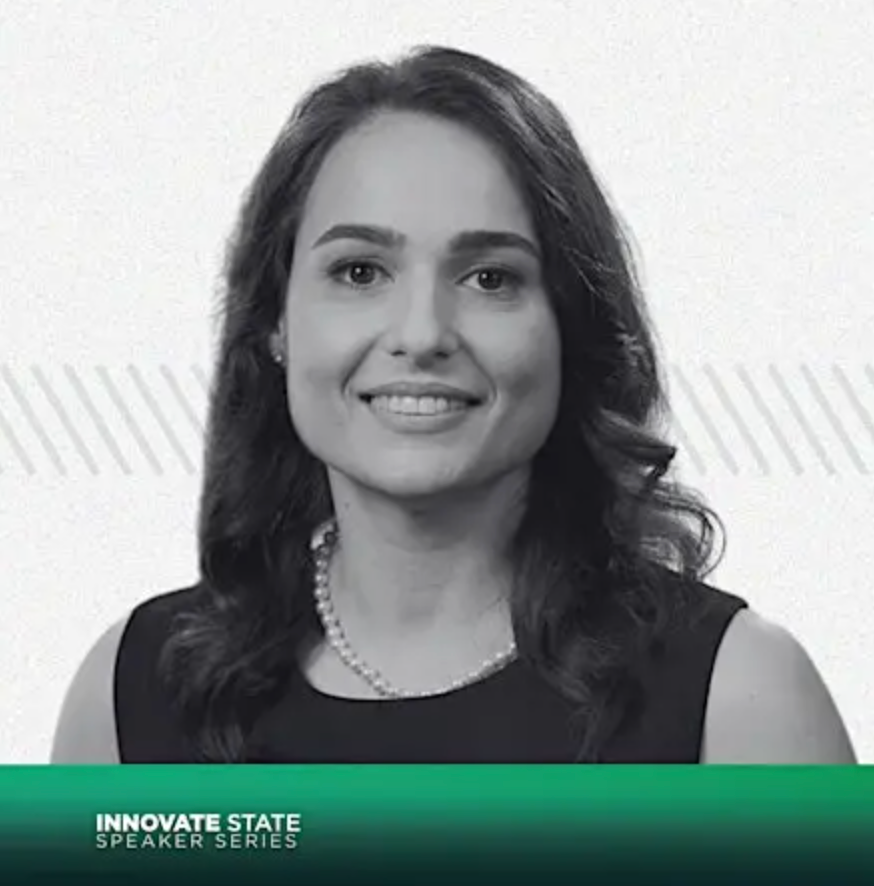
INNOVATE STATE: Matt Thomas | Burgess Institute, FY26

INNOVATE STATE: Matt Thomas | Burgess Institute, FY26

Matthew Thomas is a fellow MSU Spartan and the Founding Managing Partner of Bourgeois VC, a data-centric venture capital firm he created in 2024 with a $12 million thesis-driven fund focused on helping founders leverage the power and agility of the data layer and hybrid cloud technologies. Matthew combines deep technical expertise in data science, AI/ML, and financial analysis with extensive entrepreneurial experience, having previously founded Bond Shop Club, a luxury retail omni-channel platform that was recognized as a top startup to watch by Built-In News.

The Burgess Institute for Entrepreneurship & Innovation at Michigan State University empowers students to lead lives of impact through entrepreneurship. With an education-first approach, we equip Spartans with the mindset, experience, and community they need to create meaningful change.
CLIENT STORY: MSU College of Osteopathic Medicine’s Class of 2026 Steps Into the Future on Match Day

CLIENT STORY: MSU College of Osteopathic Medicine’s Class of 2026 Steps Into the Future on Match Day

MSUCOM’s Class of 2026 Steps Into the Future on Match Day
There are moments in life that feel like everything is leading up to a single second—and for medical students across the country, that moment is Match Day. For the Doctor of Osteopathic Medicine Class of 2026 at Michigan State University College of Osteopathic Medicine, that moment arrived on March 20 in a room filled with anticipation, nerves, and a whole lot of heart.

Held at the Vibe Credit Union Showplace, the event wasn’t just about opening envelopes. It was about celebrating years of sacrifice, late nights, early mornings, and a relentless commitment to something bigger than themselves—caring for others.

The Moment Everything Changes

Before the envelopes were opened, there was a pause. A breath. A chance to reflect. Leaders and faculty stepped forward to remind students just how far they had already come. Susan Enright encouraged the class to stay grounded, no matter where their paths would lead. The message was simple but powerful: the destination matters, but the purpose matters more.

Then came the signal. Envelopes ripped open almost in unison. Cheers erupted. Tears followed. Music filled the room. In an instant, uncertainty turned into clarity.

For these students, Match Day wasn’t just a milestone—it was a launchpad.

By the Numbers: A Class Ready to Serve

The results told a story of excellence and dedication:

– 97% of the class—254 out of 263 students—successfully matched through the National Resident Matching Program
– 72% will stay in Michigan for their residency training
– Students matched into 29 different specialties
– 39% are entering primary care fields

That last number matters. A lot.

At a time when communities across Michigan—and the country—are facing shortages in primary care, this class is stepping into one of the most critical areas of medicine. Family medicine, internal medicine, pediatrics, OB/GYN—these are the front lines of healthcare, and MSUCOM continues to show up where it counts.

Why Michigan Matters

One of the most striking takeaways? The majority of students are staying close to home. And that’s not by accident.

Where physicians complete their residency often shapes where they build their careers. With 72% remaining in Michigan, the Class of 2026 is directly contributing to the health and well-being of communities across the state.

Even more, 44%—112 future physicians—will train within the MSUCOM Graduate Medical Education Alliance, a network that includes 28 hospitals and six federally qualified health centers. That means these students aren’t just learning medicine—they’re learning it in the communities that need them most.

More Than a Match: It’s a Mission

Dean Joyce deJong summed it up best. Match Day isn’t just about placement—it’s about purpose.

These students didn’t just study medicine. They lived it. They worked alongside faculty, community physicians, and mentors. They served patients across Michigan. They learned what it means to care—not just clinically, but compassionately.

And now, they carry that forward. Because wherever they matched—big city hospitals, rural clinics, specialty programs—they’re bringing the same mindset: show up, do the work, and make a difference.

Diversity in Path, Unity in Purpose

The Class of 2026 didn’t follow a single path—and that’s exactly what makes it strong.

Students matched into a wide range of specialties, including:

– Anesthesiology
– Neurology and child neurology
– Pathology
– Obstetrics and gynecology
– Family medicine

There were also standout achievements across the board:

– 100% match rate for D.O.-Ph.D. MSTP students
– 100% match rate for military students
– 100% match success for couples participating in the match
– 86% match rate for international students

Different journeys. Different goals. Same commitment to care.

The Energy in the Room

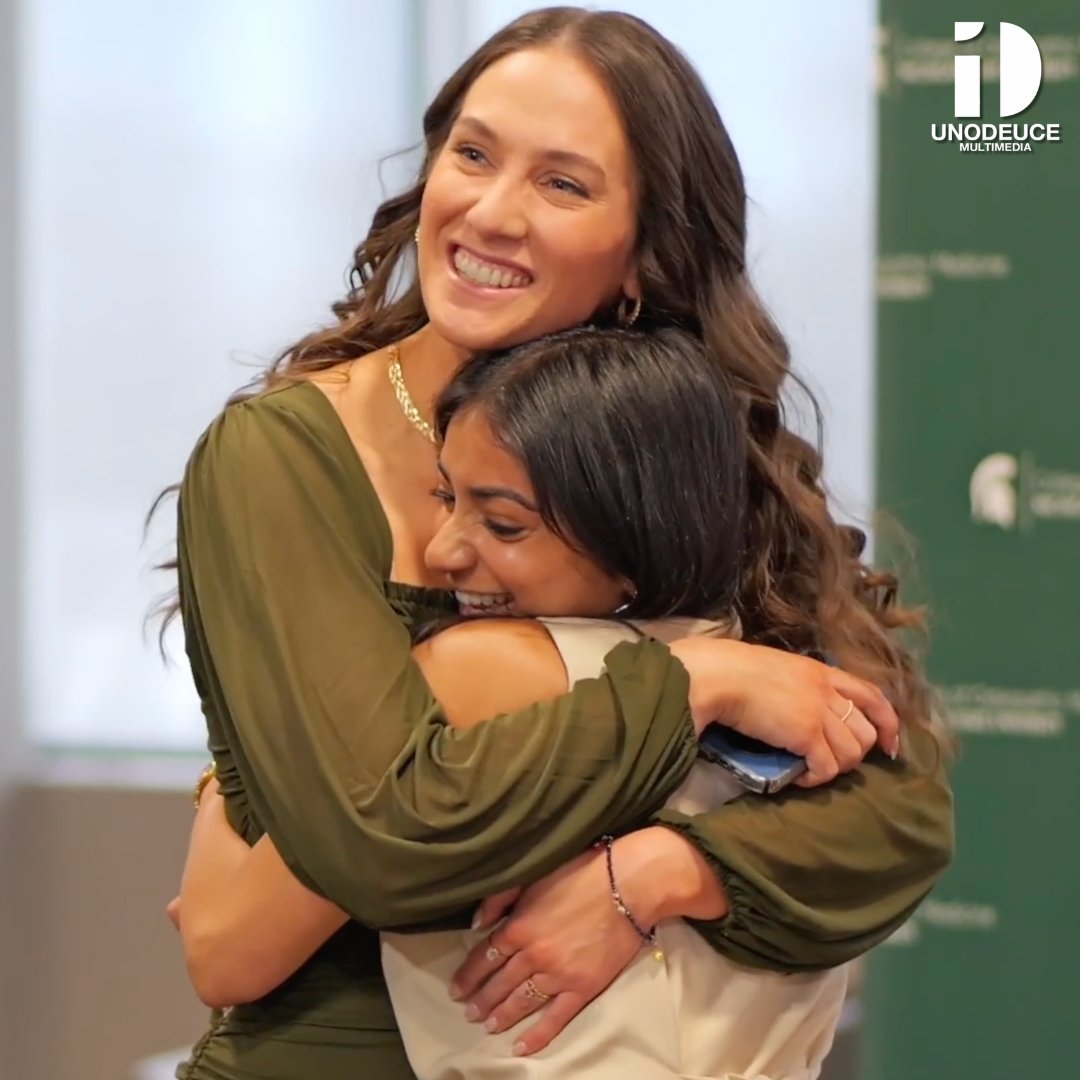
If you’ve never experienced Match Day, it’s hard to fully explain. It’s equal parts celebration, relief, and reflection. Parents hugging their kids. Friends jumping up and down. Faculty watching with pride as years of mentorship come full circle.

It’s loud. It’s emotional. It’s unforgettable. But underneath all of that energy is something deeper—a shared understanding that this is just the beginning.

What Comes Next

After the envelopes are opened and the celebrations wind down, reality sets in. There are new cities to move to. New teams to join. New challenges waiting.

Residency is where the classroom meets real life. It’s where knowledge turns into action. Where students become physicians. And for the MSUCOM Class of 2026, that next chapter is already in motion.

Why This Story Matters

This isn’t just a story about medical students. It’s a story about communities gaining doctors. Families gaining caregivers. Patients gaining advocates.

It’s about a system that, when it works well, connects passion with purpose. And it’s about a group of individuals who chose a path that isn’t easy—but is absolutely essential.

Final Thoughts

Match Day is a finish line—but it’s also a starting line. For the Class of 2026 at MSUCOM, it marks the transition from learning about medicine to living it every single day. They’re heading into hospitals, clinics, and communities ready to make an impact. Ready to listen. Ready to care.

And if there’s one thing that stands out, it’s this: the future of healthcare isn’t just in good hands—it’s in committed, compassionate, and community-driven hands.

14th Annual Deucey Awards Winner Reveal

14th Annual Deucey Awards Winner Reveal

The 14th Annual Deucey Awards: Celebrating Lansing’s Most Inspiring Stories and Creative Community Voices

There’s something special about the Deucey Awards every single year, but the 14th Annual Deucey Awards Livestream hit differently. Maybe it was the energy. Maybe it was the record-breaking vote totals. Or maybe it was the fact that this year marked not only the 14th Deucey Awards, but also 25 years of UnoDeuce telling stories across Lansing and beyond.

Whatever the reason, one thing became crystal clear during this year’s livestream: community storytelling matters. From accessibility advocacy and youth mentorship to emotional wellness and campus innovation, the 2025 Deucey Awards showcased organizations doing meaningful work and using video to bring those stories to life.

And honestly? The competition was intense.

As votes poured in from supporters, families, coworkers, and entire communities rallying behind their favorite nominees, categories tightened into nail-biters. Some races were separated by just a handful of votes, proving how invested people were in these stories and the organizations behind them.

“Absolutely bananas. More votes than we’ve ever gotten in this awards situation.”

A Celebration Bigger Than Awards

The Deucey Awards have always been about more than trophies. They’re about recognizing creativity, highlighting impact, and giving organizations a platform to share what makes their mission important.

This year’s livestream added even more excitement with upgraded production, behind-the-scenes conversations, and a deeper look at the people behind the videos. Every nominee brought something unique to the table, and the result was a showcase filled with emotion, innovation, and authentic storytelling.

Small Business Superstar: Able Eyes

Able Eyes captured the Small Business Superstar category with 52% of the vote.

Able Eyes focuses on accessibility through immersive virtual tours that help individuals with disabilities explore spaces before ever stepping inside. Their work spans parks, universities, businesses, and public institutions, helping users evaluate accessibility features at their own pace.

Think about how valuable that is for someone navigating physical disabilities, sensory sensitivities, or invisible challenges like anxiety. Instead of walking into an unfamiliar environment blindly, users can explore everything beforehand—from ramps and entrances to bathroom layouts and counter heights.

“You can turn and look at counter heights or how high a paper towel dispenser is.”

This year’s featured project highlighted Abrams Planetarium, combining interactive virtual tours with narrative-driven video storytelling. The addition of video created a richer experience, helping visitors not only understand the layout, but also feel connected to the mission and atmosphere behind the space.

For Able Eyes founder Evan Winters, the collaboration opened up new creative possibilities and reinforced how impactful visual storytelling can be.

Most Inspirational Video: Positive Somebody

If there was one category that pulled at emotions the hardest, it was Most Inspirational Video.

Positive Somebody dominated the category with an overwhelming 74% of the vote, and it’s easy to see why. The nonprofit focuses on teaching children emotional regulation, positive coping skills, and healthy mental wellness practices through hands-on tools and educational programs.

At the heart of the organization is founder Jenny’s own story. Growing up with trauma and undiagnosed ADHD, she understood firsthand how difficult emotional regulation could be without proper support.

Rather than allowing those experiences to define her negatively, she transformed them into a mission to help children develop the tools she wished she had growing up. “We just want kids to know that they can have a positive life through positive coping and emotion regulation.”

The organization’s Positive Pack program continues expanding into schools, equipping kids with practical wellness tools while encouraging healthy conversations around mental health.

And the video itself? It became more than promotional content. It evolved into a fundraising tool, a sponsorship driver, and a powerful way to communicate the organization’s purpose in a deeply personal way.

Most Entertaining Video: MSU Landscape Services

The closest race of the night belonged to the Most Entertaining Video category, where MSU Landscape Services edged out the competition by just one vote.

One. Vote.

That razor-thin margin perfectly captured the excitement surrounding this year’s livestream.

Representing one of the largest university landscape operations in the country, MSU Landscape Services manages over 5,300 acres across Michigan State University’s campus. Their responsibilities stretch far beyond mowing lawns—covering snow removal, river management, seasonal displays, sustainability efforts, and long-term campus planning.

“Anything outdoors on campus is kind of under our purview.”

What made the winning video resonate was its ability to spotlight the expertise, dedication, and pride behind the scenes. Instead of simply showing landscaping work, the story focused on the people doing it and the impact they have on campus life every day.

The response inside MSU leadership was immediate, sparking interest in creating additional departmental storytelling projects moving forward.

Most Outstanding Video: Big Brothers Big Sisters Capital Region

Closing out the night was the biggest category of all: Most Outstanding Video.

In another incredibly tight race, Big Brothers Big Sisters Capital Region secured the win for the second consecutive year, finishing just seven votes ahead of the runner-up.

Their video centered around mentorship, connection, and the power of consistent support between “Bigs” and “Littles.” But what truly elevated the project were the firsthand stories shared by the children themselves.

“To hear our Littles say they have better relationships with peers and family members…really inspiring.” Those authentic moments transformed the video from a simple organizational spotlight into something much more powerful—a reminder of how life-changing mentorship can be.

The organization continues growing through community partnerships, fundraising events, and outreach efforts designed to create lifelong relationships that positively shape children’s futures.

More Than Just Videos

At its core, the Deucey Awards represent something bigger than content creation. They celebrate people who care deeply about improving lives, strengthening communities, and telling stories worth sharing.

This year’s winners highlighted accessibility, emotional wellness, mentorship, education, and innovation—all through the lens of authentic storytelling. And judging by the record-breaking engagement, Lansing showed up in a big way to support them.

As Uno Deuce enters its 25th year, one thing remains unchanged: great stories connect people. Whether it’s a nonprofit helping kids, a business improving accessibility, or a university department shaping campus life, every organization honored during the Deucey Awards reminded viewers why local storytelling still matters.

And if this year’s livestream proved anything, it’s that the community is more than ready for what comes next.

INNOVATE STATE: Dr. Isil Berkun | Burgess Institute, FY26

INNOVATE STATE: Dr. Isil Berkun | Burgess Institute, FY26

Dr. Isil Berkun is an AI engineer, entrepreneur, and educator specializing in artificial intelligence, data science, and advanced manufacturing. She earned her PhD in Electrical Engineering from Michigan State University and previously worked as a Staff AI Software Engineer at Intel. She is also the founder of DigiFab AI and an instructor on LinkedIn Learning, where she teaches AI and analytics to a global audience.

The Burgess Institute for Entrepreneurship & Innovation at Michigan State University empowers students to lead lives of impact through entrepreneurship. With an education-first approach, we equip Spartans with the mindset, experience, and community they need to create meaningful change.
CLIENT STORY: Able Eyes – Inside Abrams Planetarium: How Inclusive Design Is Transforming Astronomy for Everyone

CLIENT STORY: Able Eyes – Inside Abrams Planetarium: How Inclusive Design Is Transforming Astronomy for Everyone

Able Eyes at Abrams Planetarium: How Inclusive Design Is Opening the Universe to Everyone

There’s something universal about looking up at the stars. It doesn’t matter who you are, where you come from, or how you experience the world—space has a way of pulling you in.

At Abrams Planetarium on the campus of Michigan State University, that sense of wonder is being reimagined. Not just as a moment of awe, but as an experience designed for everyone. This is more than a planetarium. It’s a place where accessibility, storytelling, and science come together to create something bigger than a show on a dome. It’s a shift in how we think about who gets to explore the universe.

More Than a Planetarium

For over 60 years, Abrams Planetarium has been a destination for curiosity.

School groups walk in wide-eyed, seeing the night sky come alive for the first time. Families settle into seats for weekend shows. Students and educators use the space to bridge the gap between research and real-world understanding. But over time, the mission has expanded.

It’s no longer just about presenting astronomy. It’s about making sure that experience reaches as many people as possible, in ways that actually work for them. Because the truth is simple. Wonder only works if it’s accessible.

A Mission Rooted in Inclusion

Space is complex. It’s layered with questions that don’t have easy answers. And that’s exactly why inclusion matters.

At Abrams, the philosophy is clear. Discovery doesn’t come from one voice. It comes from many. Different perspectives, lived experiences, and ways of thinking all contribute to a deeper understanding of the universe. That idea doesn’t just live in theory. It shows up in how the planetarium designs its programs, builds its experiences, and connects with the community.

When more people can engage, more people can contribute. And that’s how real progress happens.

Designing Experiences That Actually Work

Accessibility isn’t a single feature. It’s a mindset. At Abrams Planetarium, that mindset shows up in practical, thoughtful ways that change how people experience a show from the moment they walk in.

Sensory Friendly Shows

For some visitors, traditional planetarium environments can feel overwhelming. The darkness. The volume. The intensity of the visuals.

So Abrams made a simple but powerful adjustment. Once a month, they offer sensory friendly shows where the lights stay partially on and the sound levels are reduced. The content remains engaging, but the environment becomes more comfortable.

It’s not a different experience. It’s a more accessible version of the same one. And it’s working.

Removing Financial Barriers

Accessibility isn’t only physical or sensory. It’s also economic. That’s why these sensory friendly shows are free.

It’s a small shift with a big impact. Families who might otherwise skip the experience now have a clear path in. No extra calculation. No hesitation. Just an open door.

Tools That Make a Difference

Some visitors need a little extra support to fully engage. Abrams meets that need with simple, effective solutions.

Sensory kits are available on-site, offering items like fidget tools and noise-reducing headphones. These aren’t complicated additions. But they can completely change how someone experiences the space. Captioning is another key focus. The goal is to make captions a standard feature across all shows, not an optional add-on. This supports visitors who are deaf or hard of hearing, along with anyone who benefits from reading along.

It’s about designing for real people, not ideal conditions.

Learning You Can Feel

For visitors with visual impairments, Abrams is expanding what learning looks like. Tactile materials—like raised constellation maps created with textured elements—allow guests to physically explore the night sky. These tools turn abstract concepts into something tangible. It’s a reminder that learning doesn’t have to be limited to sight and sound.

Listening, Learning, and Adapting

One of the most important parts of this work is feedback.

After school visits, educators consistently share appreciation for the planetarium’s flexibility and attention to student needs. That feedback isn’t just collected. It’s used. Programs evolve. Adjustments are made. New ideas are tested.

Accessibility is never finished. It’s always improving.

Leading Beyond the Dome

Abrams Planetarium isn’t just focused on its own space. It’s thinking bigger.

Many planetariums rely on licensed shows created by outside producers. Right now, accessibility features like captions or audio descriptions aren’t always included. Abrams is pushing for that to change. The vision is simple. Every show should come ready with built-in accessibility tools. Captions. Audio descriptions. Tactile components. No extra steps required. If that becomes standard, accessibility scales instantly.

Not just in East Lansing, but everywhere.

What Comes Next

The work is ongoing. Efforts are underway to ensure every show includes captioning by default. Audio descriptions are being explored to support visitors who are blind or have low vision. New tactile tools are in development.

And perhaps most importantly, the team continues to collaborate with schools and community groups to meet people where they are. Because accessibility isn’t about checking boxes. It’s about creating experiences that feel natural, inclusive, and complete.

Why This Work Matters

Astronomy belongs to everyone. But without intentional design, not everyone gets to participate in the same way.

Accessibility changes that. It ensures that curiosity isn’t limited by environment. That learning isn’t restricted by format. That wonder isn’t reserved for a select few.

When you open the experience, you open the possibilities. And when more people can engage with science, storytelling, and discovery, the impact goes far beyond a single visit.

An Open Invitation to Explore

Walking into Abrams Planetarium, you’re not just stepping into a theater. You’re stepping into a vision of what inclusive learning can look like. A place where the stars feel a little closer. Where the experience feels a little more personal. And where everyone has a seat.

Because at the end of the day, the universe doesn’t belong to a select group of people. It belongs to all of us.

Meet Aral Gribble: From Actor to Filmmaker

Meet Aral Gribble: From Actor to Filmmaker

Finding Purpose Behind the Camera: An Internship Story That Proves It’s Never Too Late

“I’m an old man who went back to school and this is still my first internship I’ve ever done.” That line stops you for a second. It’s not the typical opening to a story about film, media, or internships. But that’s exactly what makes this journey worth paying attention to.

For Aral Gribble, a seasoned actor stepping into a new chapter, the decision to return to school at Lansing Community College wasn’t about reinvention for the sake of it. It was about curiosity. Growth. And a deeper connection to storytelling. What followed was something unexpected. Not just a new skill set, but a new sense of purpose.

Starting Over Isn’t Starting From Scratch

There’s a difference between starting over and starting fresh. Aral didn’t walk into the classroom without experience. He brought years of acting, time on sets, and an understanding of story. But stepping behind the camera meant learning an entirely new language.

Lighting. Audio. Composition. Timing.

The technical side of storytelling revealed itself quickly. And instead of being intimidating, it felt energizing. Going back to school wasn’t about chasing a title. It was about expanding a passion that had always been there.

The Internship That Changed the Perspective

Landing an internship is often seen as a rite of passage for younger students. But for Aral, it became a defining moment later in life. The opportunity placed him in a space where storytelling had real-world impact. Not in a theoretical sense, but in a way that directly affected people and communities.

Working with nonprofit organizations meant every shoot had purpose. Every interview mattered. Every frame carried weight. It wasn’t about building a reel. It was about helping people share their stories.

From Actor to Storyteller in a New Way

For years, Aral had been the person in front of the camera. The one delivering lines, hitting marks, and bringing scripts to life.

Now, he was on the other side. And that shift changed everything.

Being behind the camera meant seeing how every piece came together. The lights that shape a scene. The sound that carries emotion. The crew that makes it all work. It also created a deeper appreciation for collaboration. Film is never a solo act. It’s a collection of moving parts, all working toward a shared vision.

On set, that realization hits fast. It feels like being a kid again, surrounded by tools, ideas, and possibilities.

Learning by Doing

There’s only so much you can learn in a classroom. Real growth happens on set. Aral found himself setting up equipment, adjusting audio, framing shots, and working alongside a team in real-time situations.

No pause button. No perfect conditions. Just problem-solving, adapting, and learning as you go. And somewhere in that process, something clicked.

The most rewarding part wasn’t getting the perfect shot. It was watching someone else step into the frame and realize they had a story worth telling.

Giving People Their Moment

Not everyone is comfortable on camera. In fact, most people aren’t.

That’s what makes nonprofit storytelling so powerful. You’re often working with individuals who have never been filmed before. People who don’t see themselves as “on-camera talent.” But with the right environment and support, something shifts. They open up. They share. They shine.

Helping someone feel confident enough to tell their story becomes the highlight of the process. It’s not about production value. It’s about presence. Giving someone their moment on film changes how they see themselves. And that kind of impact lasts longer than any video.

Storytelling With Purpose

At some point, the goal of storytelling evolves. It stops being about recognition and starts being about contribution.

For Aral, that shift was clear. After years of acting, the realization came that storytelling could be used to make a difference. Not just entertain, but elevate. Nonprofit media work creates space for voices that might otherwise go unheard. It highlights programs, people, and missions that are actively working to improve lives. And when those stories are told well, they do more than inform. They inspire action. That’s where purpose lives.

A Love for Film That Keeps Growing

Even with a new perspective, the love for film remains rooted in appreciation. From projects he’s worked on, like Prodigy, to films like O Brother, Where Art Thou?, storytelling continues to be a source of connection.

It’s not about picking a single favorite. It’s about recognizing how stories evolve, how they borrow from the past, and how they continue to shape the present. Film is a living medium. And being part of it, in any capacity, is a privilege.

Advice for Anyone Thinking About the Leap

Aral’s journey offers something simple but powerful. You don’t have to follow a straight path. You can change direction. You can learn something new. You can start at any point in your life.

The key is staying open. Say yes to opportunities. Focus on work that feels meaningful. And don’t be afraid to step into roles that feel unfamiliar. Growth rarely happens in comfort zones.

Where Passion Meets Purpose

In the end, this story isn’t just about an internship. It’s about rediscovery. It’s about realizing that storytelling has more layers than you once thought. That being behind the camera can be just as fulfilling as being in front of it.

And most importantly, it’s about understanding that the best stories aren’t always your own.

They’re the ones you help others tell.

ART’S ROLL CALL: Arts Roll Call Episode 34: Ruelaine Stokes–Pathways to Poetry

ART’S ROLL CALL: Arts Roll Call Episode 34: Ruelaine Stokes–Pathways to Poetry

Welcome to Episode 34 of Arts Roll Call–a podcast for the arts curious. In this episode, host Robin Miner-Swartz talks with Ruelaine Stokes, Lansing poet laureate. They discuss Ruelaine’s path to poetry, writing, and becoming the poet laureate, as well as the projects she has been working on and her affinity for Greater Lansing.

About Arts Roll Call
Arts Roll Call pulls back the curtain to explore the lived experience of artists and arts organizations in the Greater Lansing region. Presented by Arts Council Greater Lansing and hosted by local celebrity Robin Miner-Swartz, this podcast was created to give the Council’s members an opportunity to share their thoughts and talk about the role of the arts and why they are important to the region and the community. Whether you are from the Greater Lansing area or not, if you are a lover of arts and culture, you will enjoy getting a peek into the creative minds of these leaders and makers in the arts. For more information on the Arts Council of Greater Lansing, visit lansingarts.org. This production is sponsored by UnoDeuce Multimedia and Miner-Swartz Editing & Consulting.

Please Note: The views expressed in this podcast may not be those of the host, producers or the Arts Council of Greater Lansing.

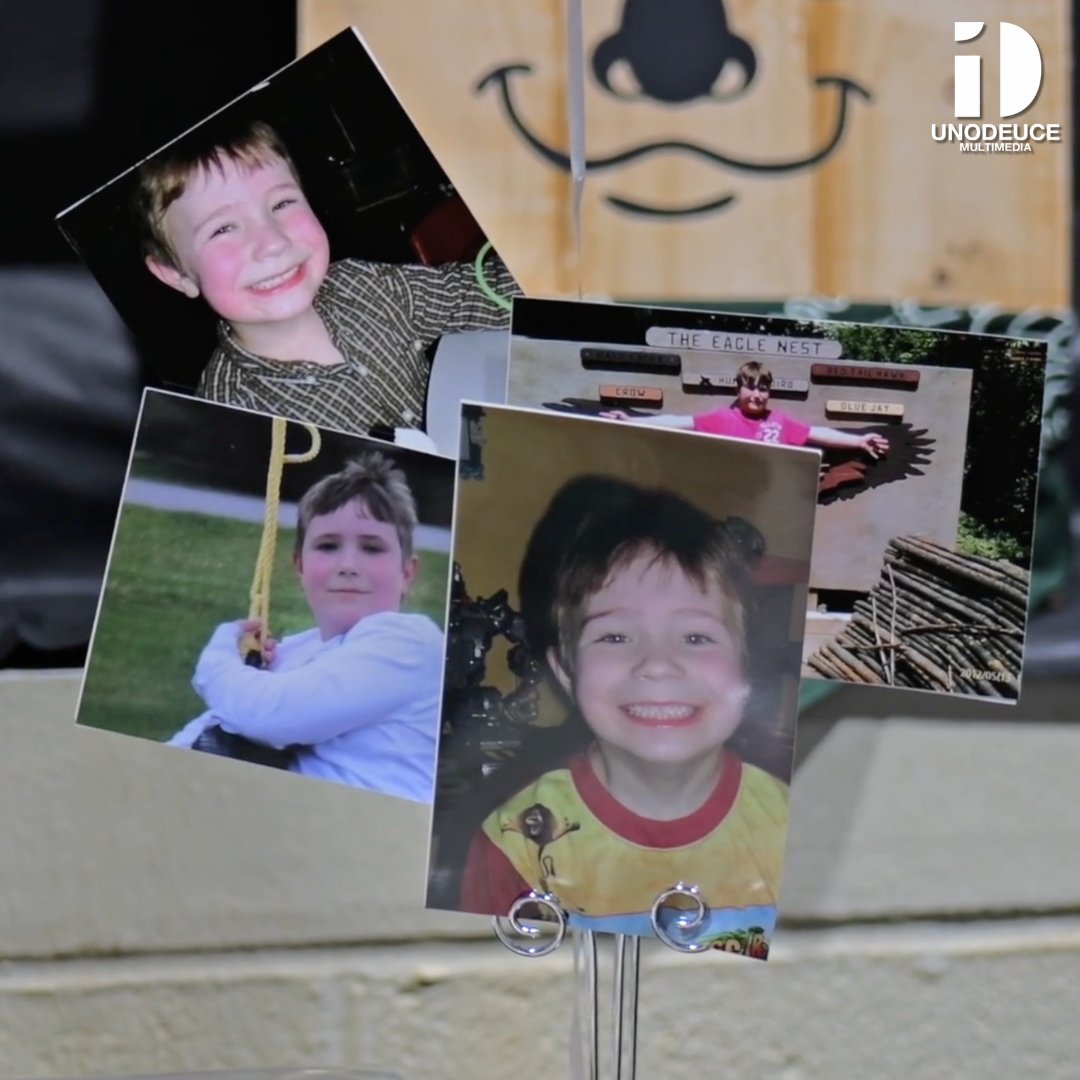
CLIENT STORY: Danny Bath Legacy Awards – Changing Lives One Car at a Time

CLIENT STORY: Danny Bath Legacy Awards – Changing Lives One Car at a Time

Changing Lives One Car at a Time: How the Danny Bath Legacy Awards Turn Tragedy Into Purpose

There’s a difference between doing a good deed and building a legacy.

The Danny Bath Legacy Awards (DBLA) exists at that intersection. What started as unimaginable loss has grown into something tangible, practical, and life-changing. One vehicle at a time, they are helping people move forward—literally and figuratively—while honoring a young man whose impact refuses to fade.

This is not just a story about a car. It is a story about momentum.

When a Nomination Becomes a Turning Point

For Christina, transportation was more than an inconvenience. It was a daily obstacle. She relied on the bus to get to work, appointments, and family commitments. Every trip required extra time, extra planning, and extra stress. Still, she refused to let it define her. She showed up. She kept pushing. She made it work.

A close friend noticed. Recognizing how much easier life could be with reliable transportation, she reached out to the Danny Bath Legacy Awards team to ask about the nomination process. It was a simple phone call. A question. An application. But that small act sparked something much bigger.

That is how impact begins. Someone sees a need and decides not to ignore it.

More Than a Giveaway

The Danny Bath Legacy Awards were created to honor Danny Bath’s life by transforming grief into service. Instead of allowing tragedy to close them off, his loved ones chose to open doors for others.
The mission is straightforward: provide reliable vehicles to individuals who truly need them. But the heart behind it runs deeper.
DBLA does not hand out cars casually. Each nomination is considered carefully. The team looks for people who are already working hard, already striving, already showing resilience in the face of adversity.

They ask real questions: Is this person committed to building a better future?
Will this vehicle create lasting impact?
Does this nominee embody the kind of character Danny represented?

It is not about charity for the sake of optics. It is about alignment. Legacy. Intention.

Christina’s Drive

Christina stood out because she was not waiting to be rescued. Despite long bus routes and limited resources, she maintained an attitude that refused to surrender. She continued working. Continued supporting her family. Continued planning for something better.

A car for Christina meant more than convenience. It meant:
– Getting to work on time without hours of transit
– More time with her niece and loved ones
– Access to opportunities that were previously out of reach
– Freedom to move without limitation

Transportation is one of those invisible barriers. When you do not have it, everything becomes harder. When you gain it, everything opens.

Building Good From Grief

There is something powerful about the way DBLA approaches loss. Instead of asking, “Why did this happen?” they ask, “What can we build from this?”

Every key handed over is a tribute. Every smiling recipient is a living reminder that Danny’s name carries purpose. The awards are not just about meeting practical needs. They are about preserving memory through action. For many involved, the experience reshapes how they process their own grief. Witnessing generosity born from heartbreak reframes pain.

It proves that sorrow does not have to be the final chapter. It can be the beginning of something meaningful.

The Ripple Effect of Paying It Forward

When someone receives help during a difficult season, it often changes how they show up for others.

Christina did not just receive a vehicle. She received affirmation. Support. A reminder that her effort mattered. And when people feel seen, they tend to extend that same energy outward.

Paying it forward is not a slogan for DBLA. It is a strategy. A philosophy. A cycle. One vehicle impacts one family.
One family influences a neighborhood.
One neighborhood strengthens a community. The ripple expands. Recipients often become mentors, volunteers, or advocates. They look for ways to support friends and relatives facing similar challenges. The act multiplies beyond the original gesture.

How the Community Can Step In

The Danny Bath Legacy Awards thrives because people choose to participate.

Some donate funds to help purchase and maintain vehicles. Others volunteer their time at events. Many simply spread the word, making sure stories like Christina’s reach someone who might need hope. Nominations remain a cornerstone of the process. It starts with someone noticing someone else. It starts with care.

The movement grows when people decide that tragedy does not get the final say.

A Legacy in Motion

What makes the Danny Bath Legacy Awards powerful is not just generosity. It is consistency.

Year after year, nomination after nomination, they continue to prove that everyday people can make extraordinary impact. They have taken heartbreak and turned it into horsepower. Loss into lift. Every engine started represents a future restarted.

And at the center of it all is a simple idea: paying it forward means building something beautiful out of something broken.
Christina’s story is one chapter. There will be many more. Because when a community commits to lifting one another up, change does not just happen. It accelerates. One car at a time.

CLIENT STORY: Justice League Greater Lansing – Repairing the Breach, Rebuilding Community

CLIENT STORY: Justice League Greater Lansing – Repairing the Breach, Rebuilding Community

The Journey of Michigan’s Justice League: Repairing the Breach, Rebuilding Community

Sometimes the real heroes are not found in comic books. They are found in classrooms, churches, community centers, and living rooms. Michigan’s Justice League was born not from fantasy, but from lived experience, hard conversations, and a decision to act.
The story begins with Willye and Prince. Two leaders. Two perspectives. One shared conviction that repair is possible.

The Seeds of Awareness

For Willye, awareness started early. Growing up in the segregated South, she remembers opening a school textbook stamped “property of” a white school. The message was unspoken but clear. Resources flowed one direction. Disparity was not theoretical. It was printed on the inside cover.

Prince’s awakening came through education as well. Raised in a predominantly African American neighborhood, he noticed something that felt off. Most of his teachers, professors, and authority figures did not look like him. Even in spaces filled with students of color, representation in leadership was scarce.

Those moments stayed with them. Seeds planted in childhood eventually grow roots.

A Crisis That Sparked Action

The COVID-19 pandemic became a tipping point. In Michigan, African Americans represented roughly 14% of the population, yet accounted for nearly 40% of early COVID-19 deaths. For Willye, those numbers were not statistics. They were neighbors. Families. Names she knew.

The disparities in healthcare access and generational wealth were suddenly undeniable and impossible to ignore. At some point, conversation turns into decision. Willye reached out to Prince with a simple idea. What if they stopped talking and started building? Prince’s response was immediate. He was in. The Justice League was no longer a concept. It was a commitment.

What Does “Repairing the Breach” Mean?

At the center of the Justice League’s mission is a powerful phrase: repairing the breach. For Prince, repair is work that is bigger than the individual. It is not about blame. It is about responsibility. Not “Who broke it?” but “How do we fix it?”

Repairing the breach means acknowledging that history still shapes the present. Systems built generations ago continue to impact access to housing, education, healthcare, and wealth. Even those who feel distant from that history are still affected by it.
Willye puts it plainly. Everyone has been shaped by the past, whether they recognize it or not. Privilege and limitation did not appear overnight. They were constructed over time. Repair requires honest recognition and courageous action.

Grassroots Before Government

There is an ongoing question in conversations about justice. Shouldn’t the government fix this? Willye and Prince believe policy matters. Legislative change could accelerate progress nationwide. But while waiting for sweeping reform, they chose movement over paralysis.

The Justice League began in houses of worship. Churches, mosques, and temples already functioned as trusted gathering spaces. They became places for dialogue, education, and bridge-building. From there, the movement expanded.

Today, partnerships extend beyond faith communities into colleges, universities, seminaries, and nonprofit organizations. The goal is simple but ambitious: take the message of repair into spaces where it might not be expected and plant seeds of understanding.

Building Something Tangible

The Justice League is not content with conversation alone. Vision matters. So does infrastructure. Willye envisions acquiring 100 acres of land. On that land, first-time homeowners could find opportunity. Generational wealth, once denied, could begin to take shape. Stability could replace uncertainty.

What started as an all-volunteer effort is evolving. The hiring of Prince as the organization’s first executive director marked a turning point. Growth is no longer theoretical. It is operational. Repair is becoming structure.

A Future Fueled by Story

At its core, the Justice League understands something powerful. Stories move people. When attendees walk through their events, they encounter visual storyboards that document partnerships, milestones, and relationships. Transparency builds trust. Trust builds unity. The work is not flashy. It is patient. It is layered. It is rooted in conversation and accountability.

Justice, in this vision, is not a finish line. It is a path. And as Willye and Prince look ahead to the next five years, the tone is not one of exhaustion. It is one of gratitude and anticipation. Because real change does not happen overnight. It happens when ordinary people decide that repair is possible and unity is worth the effort.

No capes required.

PAULTALK: Celebrating 25 Years of Telling Your Stories

PAULTALK: Celebrating 25 Years of Telling Your Stories

PaulTalk: UnoDeuce Multimedia Celebrates 25 Years of Storytelling

Twenty-five years ago, a small idea took root: tell meaningful stories and share them with the community in a way that felt authentic, creative, and lasting. Fast forward to today, and UnoDeuce Multimedia is celebrating a milestone that few independent media studios reach—a full quarter century of storytelling.

The March edition of Paul Talk sets the tone for a year-long celebration. From awards and podcasts to new collaborations and community events, the 25th anniversary of UnoDeuce isn’t just about looking back. It’s about building momentum for what comes next.

A Milestone Worth Celebrating

Twenty-five years represents more than longevity. It reflects consistency, trust, and a commitment to telling the kinds of stories that matter to the people who live them. Throughout the year, Uno Deuce plans to celebrate in layers. Each month will highlight different aspects of the journey—from the people who helped build the company to the clients who trusted the team with their stories.It’s not just nostalgia. It’s reflection, appreciation, and momentum.

As Paul puts it, the goal is simple: keep creating great content and keep telling the best stories in the community.

The Return of the Deucey Awards

One of the highlights of the year is the return of the annual Deucey Awards. Now entering its 14th year, the awards have become a staple of the UnoDeuce creative community. The Deucey Awards spotlight the videos and projects that stood out over the past year, recognizing storytelling that resonates beyond the screen.

Categories include:

– Small Business Superstar
– Most Inspirational Video
– Most Entertaining Video
– Most Outstanding Video of the Year

The celebration unfolds throughout April as nominated videos are showcased across UnoDeuce platforms. Winners are then announced during the first week of May, often followed by in-studio conversations that dive deeper into the stories behind the work. For UnoDeuce, the awards are not about trophies. They are about honoring the people and ideas that make storytelling meaningful.

Mission Control Gets a Special Anniversary Season

The studio’s long-running podcast, Mission Control Podcast, is also getting a unique twist this year. For several years, Mission Control has featured conversations with nonprofit leaders, executive directors, and changemakers across the region. The discussions highlight community impact and the work happening behind the scenes.

This anniversary season will shift the spotlight inward.

Across twelve episodes, Paul will sit down with people who played key roles in shaping UnoDeuce over the past two and a half decades. Advisors, mentors, team members, and collaborators will share their perspectives on the journey. The goal is simple: tell the story of UnoDeuce from multiple voices, not just one. It’s a chance to capture the lessons, memories, and defining moments that helped the company grow.

Celebrating 25 Stories from 25 Years

Another project launching this year is a social media series highlighting 25 memorable moments from the company’s history.

Beginning in March, Paul will share one story from each year of UnoDeuce’s journey. These short video reflections will highlight events, collaborations, and clients that shaped the studio along the way. Every project leaves a mark. Some become defining moments. By revisiting those experiences, Uno Deuce hopes to celebrate the relationships that helped build the company from the ground up.

These stories will appear primarily on Instagram and LinkedIn, giving followers a quick window into the creative path that led to today.

A New Collaboration: Hope in Action

The anniversary year is also creating space for new partnerships. Veteran journalist Sheri Jones recently launched Sheri Jones Creative Media after retiring from WLNS-TV. She is teaming up with UnoDeuce to create a new show called Hope in Action.

The program will focus on uplifting stories and community impact, bringing attention to people and organizations doing meaningful work throughout the region. Hosted by Sheri and produced in collaboration with UnoDeuce, the show is expected to debut later this spring. For a company built on storytelling, it’s a perfect fit.

Events, Celebrations, and the Uno Cup

A 25th anniversary deserves more than a quiet acknowledgment. UnoDeuce has several events planned throughout the year, including a ribbon-cutting celebration scheduled for September on the company’s official anniversary date.

The team also plans to continue one of it’s new favorite traditions: the Uno Cup Tournament. Typically held around Giving Tuesday, the event brings together friends, supporters, and community members for a spirited and fun competition. Like many UnoDeuce gatherings, it’s equal parts celebration and connection.

Staying Connected

With so much happening throughout the year, UnoDeuce is making it easy to follow along. The company is launching a new email newsletter to provide updates on events, podcast releases, award announcements, and behind-the-scenes content. Social media platforms will also feature ongoing highlights and anniversary moments.

And of course, the studio remains rooted in the community. Whether online or at local events around town, there are always opportunities to connect with the team.

Why Storytelling Still Matters

After 25 years, one truth still guides the work at UnoDeuce: stories matter. Stories connect people. They preserve moments. They highlight the individuals and organizations working every day to make their communities better.

From nonprofit spotlights to small business features and creative collaborations, UnoDeuce has spent a quarter century documenting those stories. And if the plans for this anniversary year are any indication, the next chapter is just getting started.

Because when it comes to storytelling, there is always another story waiting to be told.

Go to Top